


Invisalign assisted millions achieve a better smile. Researcg-backed it is effective for the right cases. This article explain and guide everything you need to know starting , so you can make well-informed choice about your smile journey.
What is invisalign?
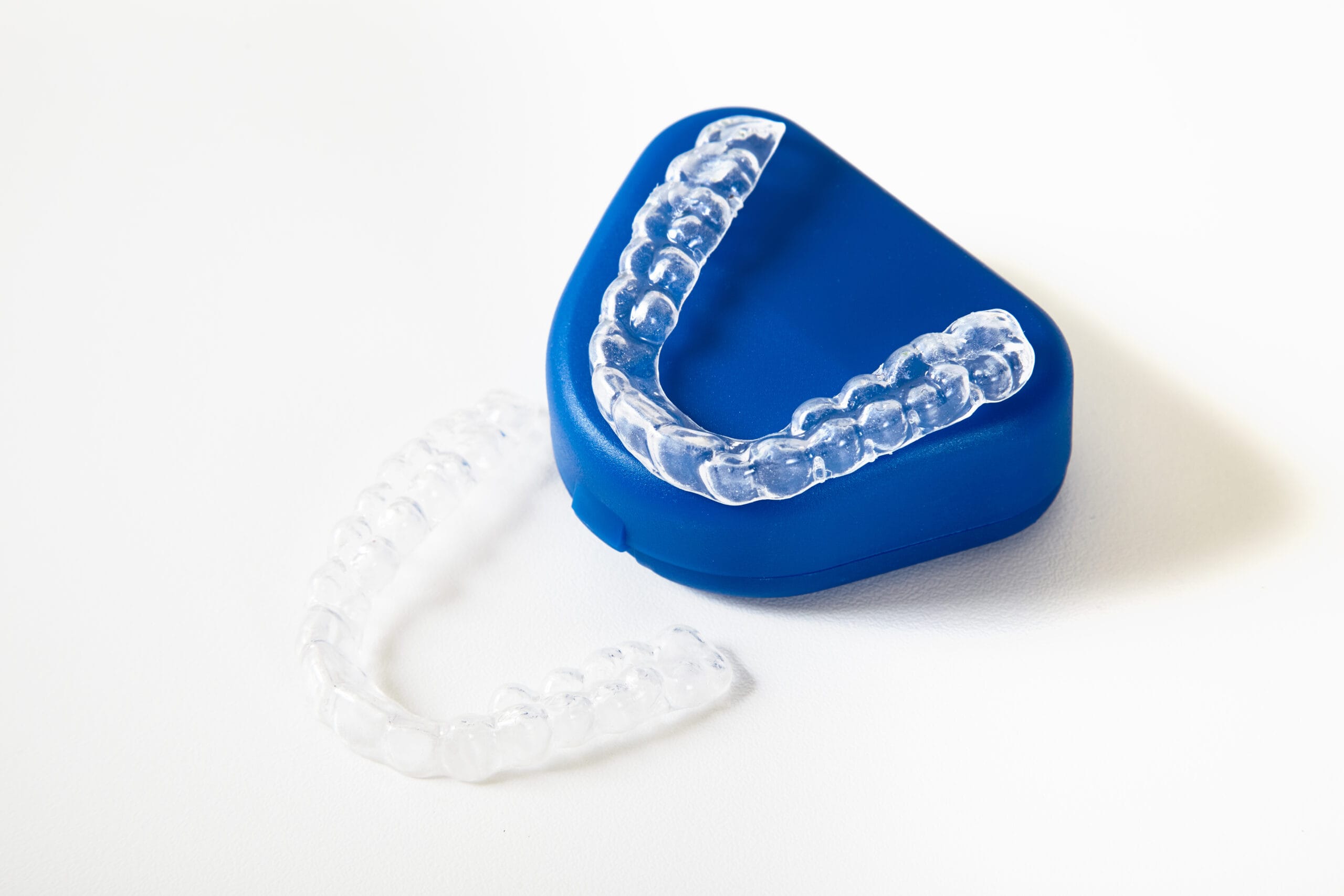
Invisalign is a modern orthodontic treatment that uses a sequence of clear removeable aligners to straighten teeth. These aligners are made from tranparent plastic and designed to fit comfortably on your teeth.the aligners are custom-made for patient mouth.
Invisalign is frequently used to treat:
- Gaps between teeth
- Misaligned teeth
- Crowded teeth
- Overbite, underbite,crossbite or openbite
Each aligner is typically worn 1-2 weeks to move the teeths into the preferred position. Each aligners should be worn 20-22 hours a day and removed only as eating, brushing or flossing.
How Invisalign treatment works?
The step by step invisalign treatment process is
1: Consultation and assessment
Invisalign treatment begins with orthodontist or dentist appointment. You,ll visit the dentist. Dentist align your teeth, bite and jaw alignment. They perform digital scans, photos and x-rays of your teeth.
2: Customized treatment plan
With help of scans and x-rays, dentist designs a 3D digital plans which shows your teeth will move step by step. This technology help the dentist to make a plan for treatment with meticulous precision.
3: Custom made aligners
When customized treatment plan complete, the patient aligners are specially customized at the laboratory that perfectly fit on the patient teeth and these aligners are made from transparent plastic.
4: Wearing the aligners
Aligners are usally worn 20-22 hours per day and removed only as eating or brushing. Patients move on to the next aligner set every 2-3 weeks.
Each aligner gradually moves your teeth a little closer to the perfect placement.
5: Regular check-ups
Visit your dentist every 6-8 weeks to follow progress. Adjustments are made in visits if necessary.
6: Completion and retainers
When alignment is complete, treatment ends. Retainers are used to keep teeth in their new position.
Importance of retainer in invisalign
Teeth can gradually shift over time so retainers are necessary for maintaining your smile straight for life. Retainers are important after invisalign to
- Reduce the risk of teeth from shifting back
- prevent relapse
- Maintain smile investment
- Support long term dental health
- Reduce strain on teeth band jaw muscles by keeping bite correct
Does invisalign really work?
Yes, invisalign really work. Invisalign effectiveness depends on a few factors:
1: Case type
Invisalign works best for slight to moderate teeth misalignment, crowding and some bite problem.
Severe cases still require traditional braces.
2: Consistency
Consistency is crucial. Aligners must be worn 20-22 hours a day. Skipping or removing aligners can affect results.
3: Aftercare
Regular checkups with dentist and orthodontist. Using retainer after treatment is necessary to keep result.
4: Custom treatment plan
3D scans guide tooth movement, ensuring precise and controlled results for successful outcomes.
Evidence
A 2017 systematic review in american journal of orthodontics and Dentofacial Orthopedics confirmed that invisalign is effective for slight to moderate cases with consistent patient cooperation. Several clinical studies and patient reports confirm high success rates and contentment for invisalign treatments.
Pros and cons of invisalign
Pros:
1: Nearlt invisible
2: Removeable
3: comfortable
4: consistent treatment plan
5: Fewer dental visits
6: improved oral hygiene
7: customizable
Cons
1: Require discipline
2: Not ideal for severe cases
3: Cost
4: Temporary speech adjustment
5: Risk of loosing aligners
6: Need retainers after treatment
How long does invisalign take to work?
Typical invisalign treatment duration is
1: Mild cases
Minor crowding and spacing
Time: usally 6-9 months
2: Moderate cases
Noticeable crowding and gaps between teeths and bite alignment
Time: typically 9-18 months
3: Severe cases
Complete bite problem and severe misalignment of teeths
Time: 18-24 months
In most severe cases traditional braces are recommmended.
Factors that affect treatment time of aligners
- Patient complaince
- Case comlexity
- Age
- Bone structure
- Aftercare
Most patients observing clear improvement in just few weeks and full results depend on the above factors.
Average invisalign timeline
l Week 1-2 (initial adjustment)
Teeth begins to gradually move . patient notice slight pressure as aligners start moving teeth
l Weeks 3-6 (initial noticeable improvement)
Small gaps between teeths start to close and crowding may reduce.
l Months 2-6 (noticeable improvement)
Alignment improvements become visible.
Bite alignment can begin to improve if patient have crossbite, overbite and underbite problem.
l Months 6-12 (Mid-course improvement)
Most teeth are approaching their desired position. Most gaps and overlaps are aligned and smile looks more aligned.
l Months 12+ ( Final adjustments)
Teeth reach their desired alignment. Retainers are used to maintain the new position. Small adjustments may be done with additional retainers if necessary.
Financial consideration
Major financial consideration for invisalign is
1: Invisalign costs (USA)
Invisalign costs more than braces because it is determined by complexity of case,clinic location,clinic pricing and duration of treatment.
Typical range for invisalign is $3,000-$8,000
Typical range for braces is $2,000-$7,000
Typical national average around $4,000-$6,500
(cost can differ depending on location and clinic)
2:Orthodontic insurance coverage
Many dental health insurance plans cover orthodontic treatment, sometimes partially covered. Typical insurance help is $1,000-$3,000 for total treatment in USA.
3: payment plans
Most orthodontist offer easy payment choices like
- Low cost interest
- Monthly installments
- Split payments before and after treatment
4: Initial or recurring cost
Initial: scans,x-rays and consultation fees included
Recurring cost: checkups after every 6-8 weeks
Extra: retainers after treatment (if necessary)
5: Lab and technology fee
Invisalign use custom digital aligners made with 3D advanced technology. This may cost more than traditional braces.
6: Additional expenses
- Buttons on teeth
- Adjustments (if needed)
- Replacement trays if lost
Lower alternatives to save money for invisalign is dental schools and resident clinics. You can use (HAS) health saving account or flexible spending account (FSA) for tax free funds.
Lifestyle requirements after invisalign treatment
Wear retainers consistently
Must wear retainers after invisalign to prevent teeth from shifting back. Initially wear aligners 20-22 hours per day and then night time only. Skipping retainer is the main cause of relapse.
Maintain good oral hygiene
Brush two times a day and floss regularly. Clear retainers to avoid stain, odor and plaque. Poor hygiene can direct to cavities or gum issues.
Eating habits
Avoid biting hard foods directly with retainers in. Remove retainers before eating. Avoid sugary, sticky and acidic food to protect enamel and retainers.avoid hot drinks and hot beverages. Remove retainers before drinking tea,coffee and hot water.
Regular dental checkups
Continue routine dental visits every 6 months
Expect minor adjustment
Mild pressure when moving to nightonly wear is normal. Speech generally remains unaffected but mild adjustment might appear briefly.
Invisalign does not end when aligners come off, preserving results require long term commitment, specifically wearing retainers and oral care.
Frequently asked questions
Is invisalign take longer then braces?
In most cases, Invisalign does not take more time than traditional braces. Here is a brief overview
Treatment time comparison
Braces
Generally 18-30 months approximately 1.5-2.5 years for most cases.
Invisalign
Usally 12-24 months for mild to moderate cases and it faster than braces.
In what cases does invisalign take longer?
In complex cases like complex alignment issues, rotated teeth and severe crowding. In these cases invisalign might take as long than braces. Sometime braces are able to adjust particular teeth more efficiently in complex movement because of the constant forces from wire.
Is invisalign only work for teenagers?
No, invisalign is not only for teenagers. It works for both teenagers and adults.
Teenagers
Invisalign teen specially made for growing mouths and features a complaince tracking system to track the wear time.
Adults
Adults choose invisalign because it is virtually invisible, removable and compatible with a demanding lifestyle.
Why adults love Invisaligns?
- Nearly invisible
- Easier oral hygiene
- Easier eating, brushing or flossing
- Fewer emergency visits than braces
Invisalign is for both teens and adults. Age is not the limit, commitment is.