

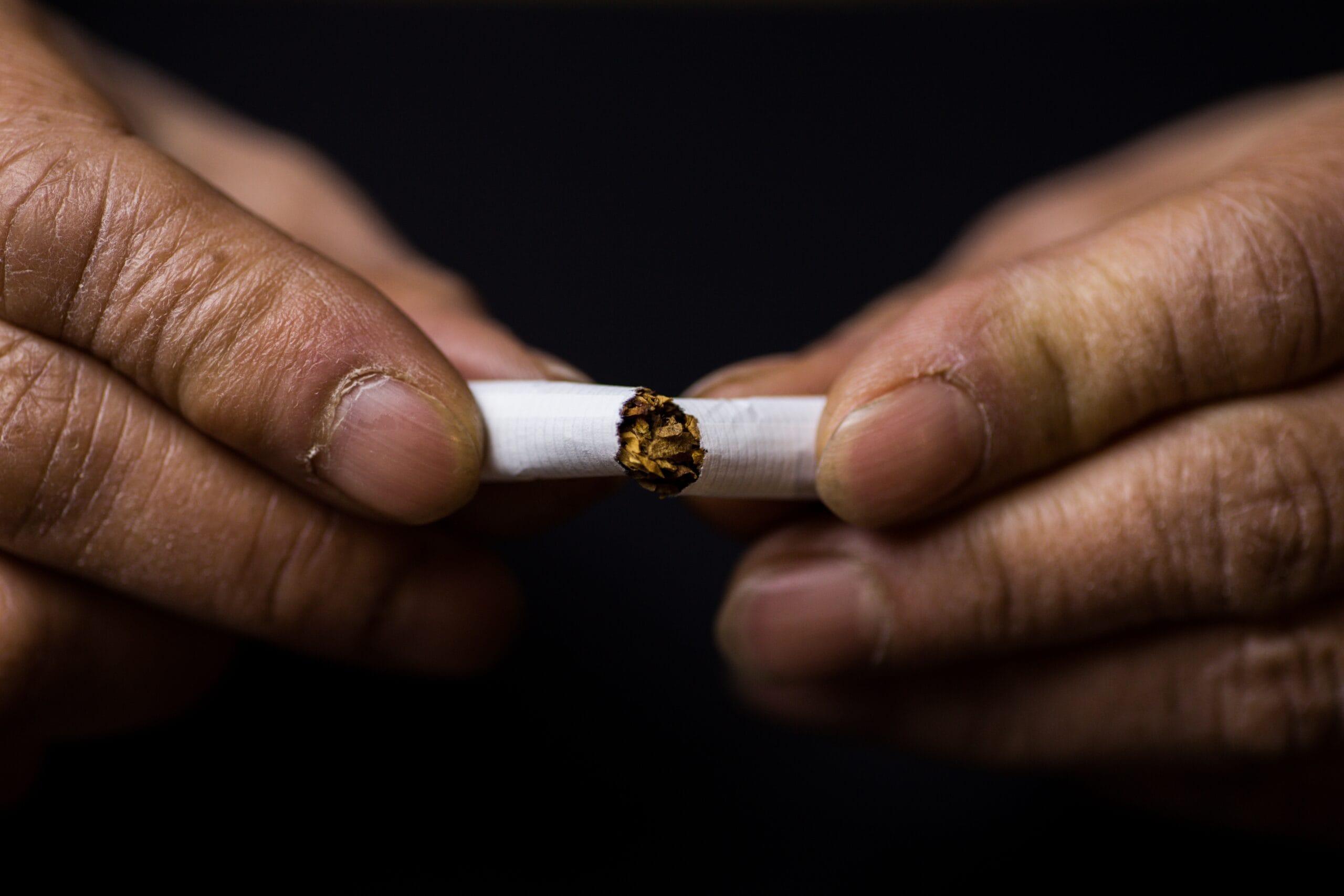
What is smoking and why is it harmful?
Smoking is the act of inhaling and exhaling smoke from burning cigarette tobacco or nicotine product such as cigars, pipes and cigarettes. Smoking is a global public health due to its detrimental effects on overall health. Smoking cause harmful chemicals in the body including nicotine, tar, carbon monoxide and carcinogens which impact multiple organs.
How smoking effect overall health?
Smoking effect almost every part of the body. Smoking is linked to many diseases like:
- Cardiovascular disease
- Respiratory disease
- Brain and mental health (stroke)
- Mouth, teeth and skin
- Cancer (lungs, mouth, stomach, esophagus and bladder)
- Immune system and energy
- Reproductive and hormonal health
- Overall life impact
Short and long term effects of smoking on overall health
| Body system | Short-term effects | Long-term effects |
| Respiratory system | Coughing
Difficulty breathing Chest pain or pressure |
COPD
Chronic bronchitis Lung cancer Compromised breathing capacity |
| Cardiovascular system | Increased heart rate and blood pressure | Heart attack
Stroke Arterial blockage |
| Nervous system | Sleep disruption
Anxiety Cognitive changes |
Nicotine addiction
Elevated stroke risk Decreased recall ability |
| Immune system | Higher occurance of colds and infections | Weakend immunity
Delayed recovery Greater chance of infection |
| Oral health | Bad breath
Stained teeth Gums irritation |
Gum disease
Tooth loss Oral cancer |
| Integumentary system | Dry or dull skin | Rapid aging
Wrinkles Slow wound healing |
| Digestive system | Heartburn
Nausea |
Stomach ulcer
Stomach cancer Pancreas cancer |
| Reproductive system | Hormonal imbalance
Reduced fertility |
Infertility
Pregnancy complications |
| Energy and stamina | Tiredness
Decreased stamina |
Chronic tiredness
Diminished life satisfaction |
| Carcinogenic effects | Cell damage begins | Lung, bladder, throat, mouth and more other cancers |
Benefits of quitting smoking on overall health
Quitting smoking improves lung, heart, brain, immune and reproductive health, strengthens physical and mental energy, and reduce trhe risk of chronic diseases and early death.
Short-term benefits ( over the cource of days and weeks)
- Enhanced lung fuction
- Easier breathing
- Heart rate and bloods pressure begins to normalize
- Decreased carbon monoxide levels in the blood
- Reduced the risk of the lungs cancer
Medium-term benefits (over several months)
- Fewer infections
- Respiratory cilia start repairing
- Boost energy and physical health
- Better circulation
- Reduced risk of respiratory infections
Long-term benefits (Years)
- Reduced risk of heart disease,stroke, and peripheral artery disease
- Reduced risk of lung,mouth,throat, bladder cancers
- Improved reproductive system
- Boost immune system
- Slower aging of skin
- Faster recovery freom illness
How to quit smoking safely and effectively-step-by-step guide
Effective steps to quit smoking: Tips, Medication and Support
Quitting smoking is one of the most effective thing you can do for your health. Stopping smoking reduces the risk of heart disease, lung cancer and respiratory problems. This guide will help you to quit smoking from safe and effective strategies and maintain a smoke free life for good.
1: Make a plan to quit smoking
- Mark your smoke-free start date
- Recognize triggers that make you crave cigarettes
- Develop a strategy to reduce smoking
2: Find support and guidance
- Doctors, counselers and smoking cessation programs offers skilled guidance.
- Friends and family helps you stay on track
3: Nicotine replacement or medications
- Nicotine replacement therapy (NRT)
Nicotine replacement therapy is a medically approved method to support people quit smoking by reducing cigarette craving.
Types of NRT:
- Nicotine patches
- Nicotine gums
- Nicotine lozenges
- Nicotine inhalers
Benefits
- Assist in controlling smoking symptoms
- Increase chance of quitting successfully
- Safer than smoking
- It prevents harmful chemicals and tar.
- Prescription medication
These are commonly suggested when alone NRT is not enough. Common prescription medications are:
1: varenicline (chantrix)
- Reduce craving and symptoms
- Block nicotines effect on body
2: Bupropion (zyban)
- Antidepressant
- It improve mood and energy during quitting smoking
- Consult with healthcare proffesionals before starting these medication.
3: Reduce craving and withdrawal effects
- Be physically active
- Eat nutritious food and stay hydrated
- Maintain relaxation techniques like meditation, deep breathing and manage stress.
4: Modify daily habits and your environment
- Avoid places and situations where you generally smoke
- Eat healthy snacks and chew gum instead of smoking
- Clean your surroundings
5: Keep track of your achievements and treat yourself
- Record your journey
- Track your health progress
- Stay positive
- Celebrate milestones
Quitting smoking is difficult but achievable. By seeking support, managing craving and use safe medications you are able to stop smoking safely and effectively, boosting your health and quality of life for many years ahead.
Conclusion
Smoking effect almost every part of the body and increasing the risk of serious diseases. Quitting smoking restore health, raise energy level and protects you from long-term health risks. Start your journey to a smoke-free life now for overall wellness.
Recommendation:
Some intervention and policies are needed to implement in government policies to stop smoking. Public anti-smoking campaigns to provide awareness about smoking effects on health, school and universities program, increase the price of tobacco smoking products, increase taxes, mass media programs to control smoking, restriction of the youth access to cigarettes, restriction on minors from purchasing the tobacco smoking products are effective policies in order to control the smoking.
Smoke free policies must apply at work and public spaces. Education, counseling and medication by physicians are those strategies that are effective to minimize the risk of tobacco smoking.
Avoid exposure to second hand smoke
Stay away from places where people smoke and encourage smokers to smoke outside
Use nicotine replacement therapy (NRT)
Options like gums lozenges, lollipops and patches can help reduce withdrawl symptoms.
Try non-nicotine medication
Prescription medication like bupropion or varenicline can help reduce craving.