

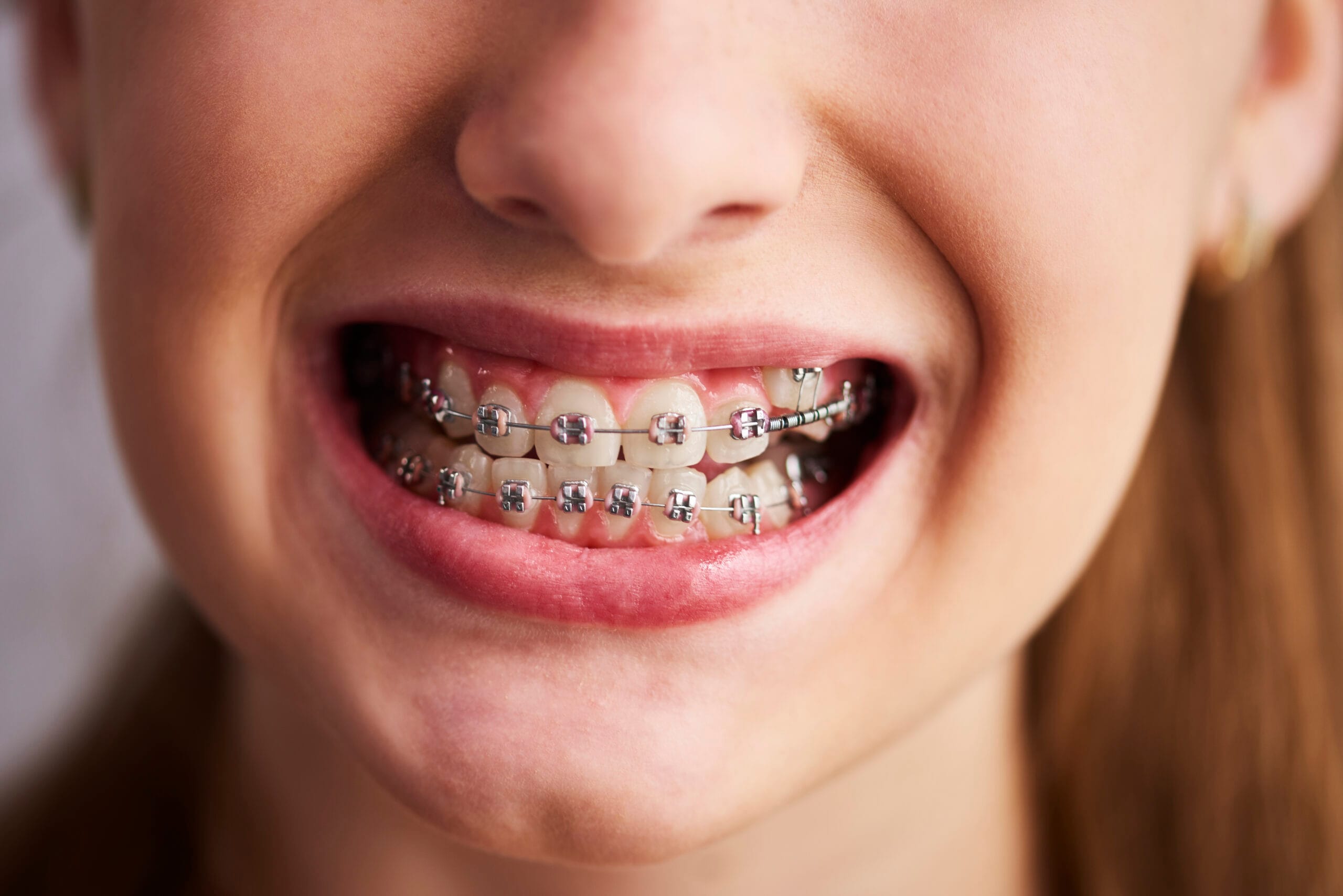
Which is the best option?
Invisalign was designed to straighten teeth with brackets and wires typically related with traditional braces. Set of invisible trays called aligners that move teeth into desired position.
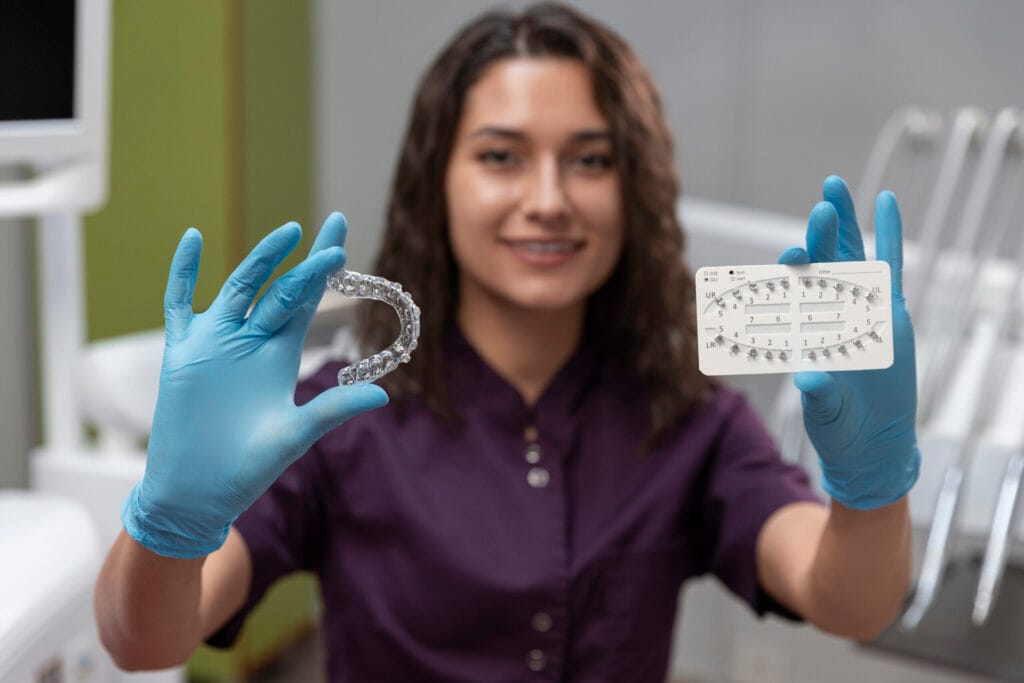
Traditional braces used brackets (ceramic or metal) and wires that remain in position throughout treatment. Invisalign provide more comfort as compared to the breaces. Invisalign vs braces comparison emphasize the fundamental differences between two treatment, guiding you to choose the best option. The most significant differences between invisalign and braces are following
1: Asthetic
Invisalign aligners are made from almost invisible, medical-grade plastic making them hardly noticeable when worn. This allow them to popular among adults and especially appearance focused teenagers who want to straighten their teeth directly.
Metal braces are more noticeable due to their metal or ceramic brackets and wire.
2: Patient comfort
Invisalign is more comfortable than braces. Aligners are made with medical grade plastic which helps minimize irritation to cheeks and gums. There is no metal brackets or wires in aligners so patient experience less soft tissue and mouth sore discomfort.
Braces cause irritation due to metal component pressing against the inside of the mouth.
Overall aligners offers a comfortable experience for patients.
3: Treatment duration and process
In invisalign advanced 3D technology, x-rays and digital impression created before treatment process. Patients receive a multiple set of aligners and these aligners usally worn 20-22 hours and removed only as eating and brushing. Treatment time for aligners are approximately 12-24 months.
Braces
Metal and brackets are attached to the teeth and connected with elastic band and arch wires. Continous pressure gently apply to move teeth into desired position. Patient visit orthodontist every 4-6 weeks for adjustment.
Mild alignment issue takes 12-18 months.
Moderate to severe cases takes approximately 18-36 months.
Duration depend on case complexity and biological factors.
4: Cost
Invisalign costs more than braces because in invisalign scans, x-rays, Advanced 3D technology used, digital impressions and consultation fees included. After treatment retainers used. That,s why invisalign costs more than braces.
Cost of invisalign usally start at $2,600.
Cost and treatment duration depend on factors like
- Complexity of case
- Duration of treatment
- Clinic location and pricing
- Biological factors like bone density and age
Braces
Braces price typically start at $2,000.
Starting price of Ceramic braces is $3,000.
Lingual braces prices begin at $8,000.
5: Insurance and payment options
Many dental health insurance plans cover orthodontic treatment, sometime partially covered. Typical insurance help is $1,000-$3,000 for total treatment in USA.
Most orthodontist offers easy payment choices like low cost interest, montly installments, financing options and customized payment schedules that fit your budget. These plans help make treatment more easy, affordable and allow patients to focus on attaining a straighter, healthier smile without financial stress.
6: Factors that affect treatment speed
- Case complexity
- Major crowding or spacing issue
- Severe bite problems
- Biological factors like age and bone density
- Severity of misalignment
- Patient complaince
- Oral hygiene and health
- Regular orthodontic checkups
7: Lifestyle consideration
It,s important to see how each option fits your lifestyle to achieve successful outcomes.
- Daily care
Remove aligners before eating or brushing. Clean aligners regularly with luke warm water. Brush your teeth two times per day and maintain oral hygiene to reduce gum infection.
Braces need complex oral hygiene practice, special floss threader, interdental brushesand water flossers to clean brackets and wires carefully. Brushing needs time in braces to remove plaque and food particles from brackets and wires.
- Dietary limitations
Invisaligns greatest advantage is dietary freedom. Aligners can be removed before eating your favourite food without restriction- from nuts to chochlates, caramel to chewy candies but basic requirement is cleening teeth after eating food and maintain good oral hygiene.
Braces include a detailed list of foods to avoid and enjoy, including hard items likr nuts, ice and hard sticky candies that may damage brackets. Sticky foods like bubble gums, caramel, chewy candies that can become stuck in brackets and wires that can bend wires. So you need to avoid that type foods and avoid biting hard foods with front teeths.
Although these guidelines may feel restrictive initially, but most patients adapt well and explore new ways to prepare food and healthier habits during treatment.
8: Professional and interpersonal effects
Invisaligns is almost invisible, helping you maintain a polished professional image throughtout treatment. Speech changes are minimal and improve within days. On special occasions aligners can be temporarily removed.
Traditional braces are more noticeable as compared to invisaligns. Braces cause initial apeech chnages and sometimes mouth sores from braces metal wires and brackets. Asthetic concious teenagers have an disadvantages with braces.
A short summary with comparison of invisalign vs braces
| Aspects | Invisaligns | Braces |
| Asthetic | Clear, invisible | Metal (visible) |
| Removeability | Removeable for eating and brushing | Fixed till treatment ends |
| Patient comfort | Smooth plastic
Less irritation |
Brackets can cause irritation |
| Hygiene | Easier brushing and flossing | Harder and careful cleaning |
| Eating | No food limit and removed before eating and brushing | Food limitations
(no sticky and crunchy food) |
| Treatment duration | 12-24 months (depend on case) | 18-30 months ( depend on case severity) |
| Best for | Mild to moderate cases | Complex cases |
| Retainers | Needed after treatment | Needed after treatment |
| Cost (U.S) | Approximately $3,000-$8,000+ before insurance | Approximately $2,000-$7,000+ before insurance |
Frequently asked questions
Which is better? Braces or invisalign
Neither option is superior in all cases, the best choice depends on your specifuc case. Invisalign is best for mild to moderate cases and braces are effective for complex cases and severe crowding.
What are potential disadvantages of invisalign?
The significant limitations include higher cost, requiring precise observance and limited effectiveness for complex problems.
Why do some patients stop using invisalign?
Due to poor complaince, inconsistent aligner wear, fear of loosing aligners and daily routine care dermand. Patients stop using invisaligners.
Which works more quickly?
Invisalign typically takes 12-18 months and braces demand 18-24 months. Treatment speed depends on case complexity.invisaligns are good for simple or mild and moderate cases meanwhile braces are effective for severe cases.
Is a retainers necessary after invisaligns and braces?
yes, retainers are necessary after invisaligns and braces. It prevent teeth from shifting back. Retainers provide your teeth, bones and gums a period to adjust to their new position.
Nice …. I like this article ☺️