

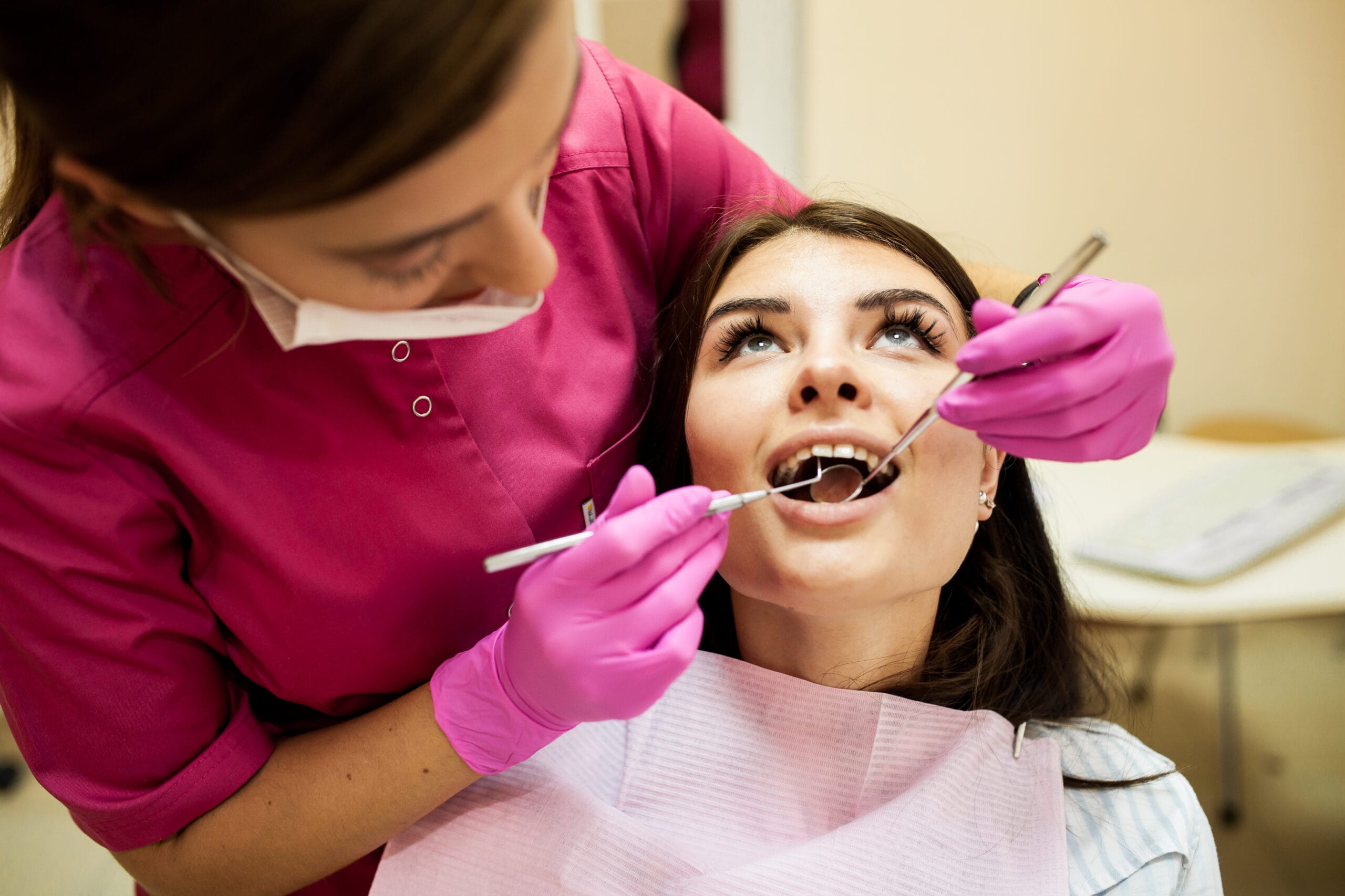
Periodontal cleaning commomnly referred to root planing or scaling
and deep dental cleaning is a non-surgical procedure designed to
remove calculus and plaque fron below the gum lines.
It significantly distribute to prevent the progression of plaque, tartar
and bacteria beneath the gum lines in those areas that are not
effectively cleaned through routine brushing and flossing.
Why Periodontal cleaning is necessary?
Periodontal cleaning progresses when plaque and calculus deposit
below the gums, leading to inflammation and periodontal complications.
Periodontal cleaning is necessary to:
- Eliminate harmful bacteria below the gum line
- Improve overall oral health
- Reduce gum inflammation
- Prevention of bone and tooth loss
- Reduce gum diseases like gingivitis and periodontitiss
Key symptoms requiring periodontal cleaning
Periodontal cleaning is often suggested by clinicians if a patient presents
with following symptoms:
- Gum recession
- Bleeding gums during brushing
- Bad breath
- Loose teeth
- Swollen or red gums
Deep periodontal pockets
Periodontal cleaning procedure
This procedure is usally done in one or more visits, according to the
severity of gum disease.
Scaling
Scaling includes the removal of plaque and tartar from beneath the gum
line. Specialised dental instruments are used to clean the periodontal
pockets.
Root planing
Root planing remove bacterial toxins and irregularities. Root planing is a
non-surgical dental procedure conducted to smooth the surfaces of
tooth roots. This procedure reduce the depth of periodontal pockets and
beneficial for gums to reattach to the tooth surface.
Benefits of periodontal cleaning
Periodontal cleaning can help to achieve multiple clinical benefits
including:
- Prevent tooth and bone loss
- Promotes gum reattachment and healing
- Improves oral hygiene
- Reduce gum inflamation and bleeding
- Control and treats gum diseases
- Freshens breath
Essential aftercare instruction following periodontal cleaning
Appropriate post-treatment care is crucial for healing and long term
results. Patients are recommended to:
- Maintain excellent oral hygiene
- Use prescribed antimicrobial mouthwash
- Used soft bristled toothbrush
- Brush gently
- Follow through with dental appointments
How much does Periodontal Cleaning cost?
The cost of periodontal cleaning can differ according to the severity of
the condition, distribution of treatment across quadrtants and dental
clinic location. Patient with severe periodontal diseases often entails
multiple sessions for treatment which may influence the overall cost.
Periodontal cleaning costs vary by country due to variation in healthcare
system.
Periodontal Cleaning vs Regular Dental Cleaning
| Aspects | Periodontal cleaning | Regular dental cleaning |
| Purpose | Treats gum diseases
and deep bacterial infection |
Maintain regular oral health care |
| Clinical treatment zone | Below the gum line | Above the gum line |
| Indicated for | Patients with intermediate to advanced periodontal disease | Individuals with healthy gums |
| Procedure types | Scaling
Root planing |
Standard cleaning (prophylaxis) |
| Extent of cleaning | Deep cleaning of roots and pockets | Surface-level cleaning |
| Treatment sessions | Performed over multiple sessions | Typically completed in one visit |
| Anesthesia | Local anesthesia can require | No anesthesia typically required |
| Treatment duration | Longer
Detailed procedure |
Shorter appointment |
| Sensitivity or discomfort | Mild discomfort | Minimal to no discomfort |
| Cost | Higher due to multiple sessions
Due to complexity |
Lower or generally include in routine dental checkups |
| Frequency | As directed by the dentist based on disease severity | Every 6 months (routine) |
Clinical indicators and evidence for periodontal cleaning
Periodontal cleaning is clinically indicated for patients diagnosed with
periodontitis where standard prophylactic cleaning is not sufficient.
According to dental professionals treating these indicators immediately
through periodontal cleaning avoids futher bone and gum damage,
minimize the risk of tooth loss.
Clinical indicators
Signs and symptoms observed
- Gingival inflammation
- Bleeding on probing
- Supra-gingival and sub-gingival presence
- Gingival recession
- Halitosis
- Periodontal pockets depths >4mm
- Bleeding gums or pain while brushing
Evidence
These support the indicators and and prove treatment
- Bleeding gums
- Inflammed tissue
- Periodontal pockets which show active gum disease
- In many cases, dental x-rays show bone loss around the tooth which confirm the periodontitis
- Profesional commonly detect periodontal pockets measuring 4mm
or more These evidences show why scaling and root planing is an essential treatment to restore healthy gums and prevent tooth loss.
Conclusion
In conclusion periodontal cleaning also known as deep cleaning is a vital
procedure for healthy gums and prevent gum disease. Removing plaque
and tartar prevent gum diseases, tooth loss and other overall health
issues. Maintain proper oral hygiene at home and regular checkups can
help you maintain a healthy gums and a confident smile for years to
come. Don’t delay consult with your dentist to keep your gums healthy
and strong.